
As homeowners seek systems that use less water, last longer, and give them more control over daily operations, residential plumbing is changing dramatically. Modern plumbing systems are becoming more sensitive to home requirements, while traditional plumbing was mainly concerned with supplying clean water and eliminating effluent. The way water flows through residential homes is being altered by sophisticated materials, smart sensors, and automated controls. Additionally, by promoting a move away from reactive repairs and toward preventative maintenance, these advancements are assisting households in better resource management and minimizing unplanned interruptions.
Water Efficiency Is Growing In Importance In Plumbing
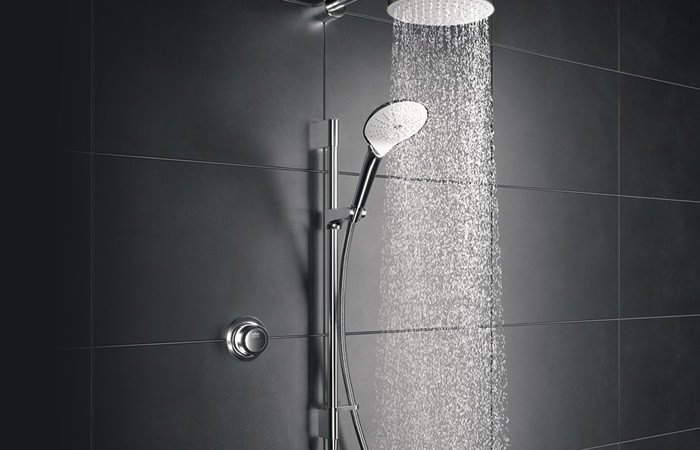
Almost every facet of contemporary household plumbing is being impacted by water conservation. Manufacturers are creating fixtures that minimize needless usage while maintaining acceptable performance. Modern showerheads, dual-flush toilets, and efficient faucets help homes control water consumption without drastically altering everyday schedules.
But installing water-saving fixtures is just one aspect of efficiency. Distribution efficiency, water pressure control, and pipe arrangement are also taken into account in contemporary plumbing designs. While residents await the arrival of hot water at distant fixtures, inadequately constructed systems may end up wasting water.
In order to solve this problem, demand-controlled hot water recirculation systems give heated water just when necessary, as opposed to constantly circulating it. When set up correctly, these enhancements may restrict energy use and cut down on needless water outflow.
Long-Term Durability Is Being Improved By Advanced Pipe Materials
System dependability is directly impacted by the materials used in home plumbing. Pipes in older systems may be susceptible to corrosion, mineral buildup, or environmental damage.
Materials chosen for flexibility, corrosion resistance, and installation efficiency are becoming more and more common in modern plumbing. Due to its resistance to internal corrosion and ability to handle specific installation issues, cross-linked polyethylene pipe, or PEX, has emerged as a viable solution for many residential water distribution applications.
However, temperature ratings, water chemistry, pressure requirements, and relevant plumbing rules must all be taken into consideration when choosing a material. There is no pipe material that works in every setting.
The endurance of the system is also being enhanced via better fittings and connecting technologies. In hidden plumbing sections where repairs can require exposing walls or floors, properly designed connections can minimize possible failure sites.
Intelligent Leak Detection Is Transforming Home Security
The use of sophisticated monitoring technologies is one of the most promising advancements in home plumbing. Moisture in susceptible areas, such as under sinks, next to washing machines, and around water heaters, may be detected by smart leak detectors.
More sophisticated systems keep an eye on water flow patterns and identify anomalous use that could point to a leak. When anomalous activity is detected, some devices have the ability to automatically close a suitable shutoff valve.
Particularly when people are not at home, these devices provide an extra degree of security. Monitoring systems, however, cannot take the place of expert inspections or stop all plumbing problems.
Contacting a 24 Hour Plumber Houston may assist homeowners in scheduling an evaluation before water damage worsens when automatic alarms point to a significant issue.
Predictive Maintenance May Cut Down On Unexpected Repairs
Conventional plumbing maintenance often starts after symptoms become apparent. Through variations in pressure, flow, or consumption patterns, intelligent monitoring offers chances to spot emerging issues early.
A progressively decreasing water pressure, for instance, might be a sign of mineral accumulation, a partly blocked supply line, or another emerging constraint. Frequent aberrant flow measurements may indicate a hidden leak or a failing fixture.
Homeowners may be able to watch these changes over time with the use of connected monitoring technologies, which may provide helpful information during expert inspections.
While predictive maintenance may help make better repair choices and enhance planning for future plumbing renovations, it does not completely eliminate the chance of problems.
Conclusion
Smart water management, long-lasting infrastructure, and early issue detection are key components of the future of household plumbing. Intelligent monitoring systems, sophisticated pipe materials, and energy-efficient fixtures provide useful ways to increase home dependability. Even while technology may reduce waste and provide helpful alerts, careful installation and routine maintenance are still crucial. Homeowners may build systems that are more reliable, efficient, and ready for evolving home demands by combining expert maintenance with contemporary plumbing technologies.